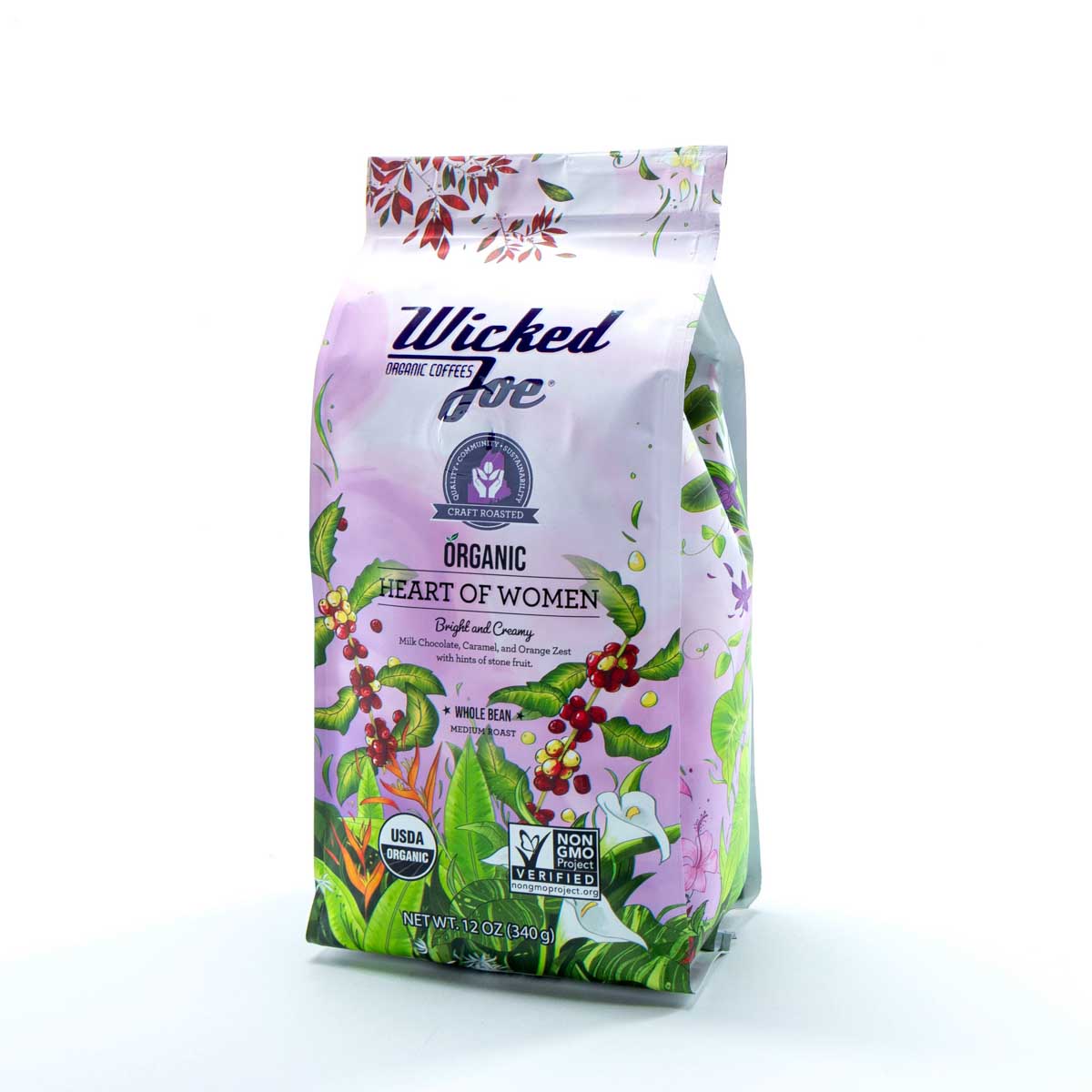
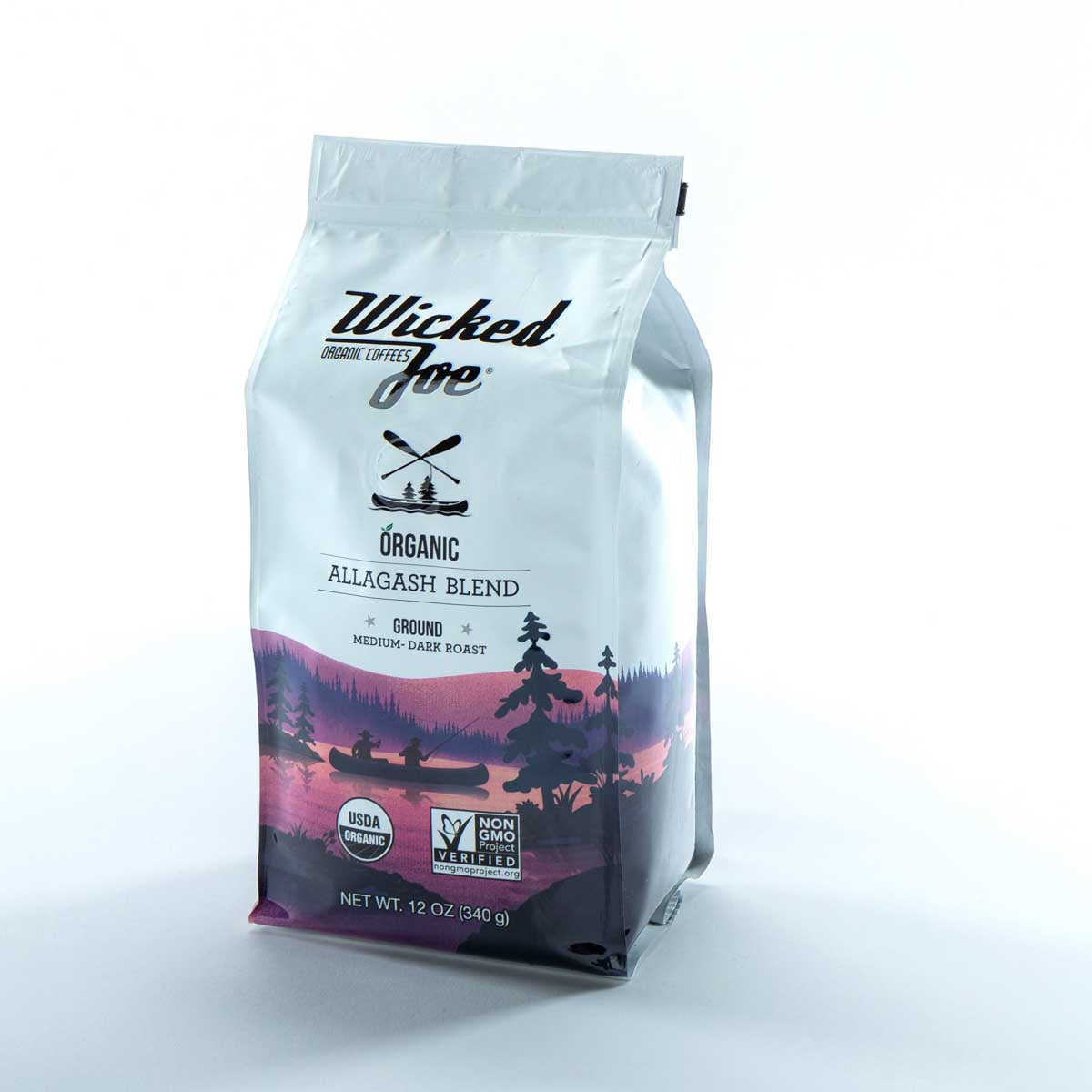
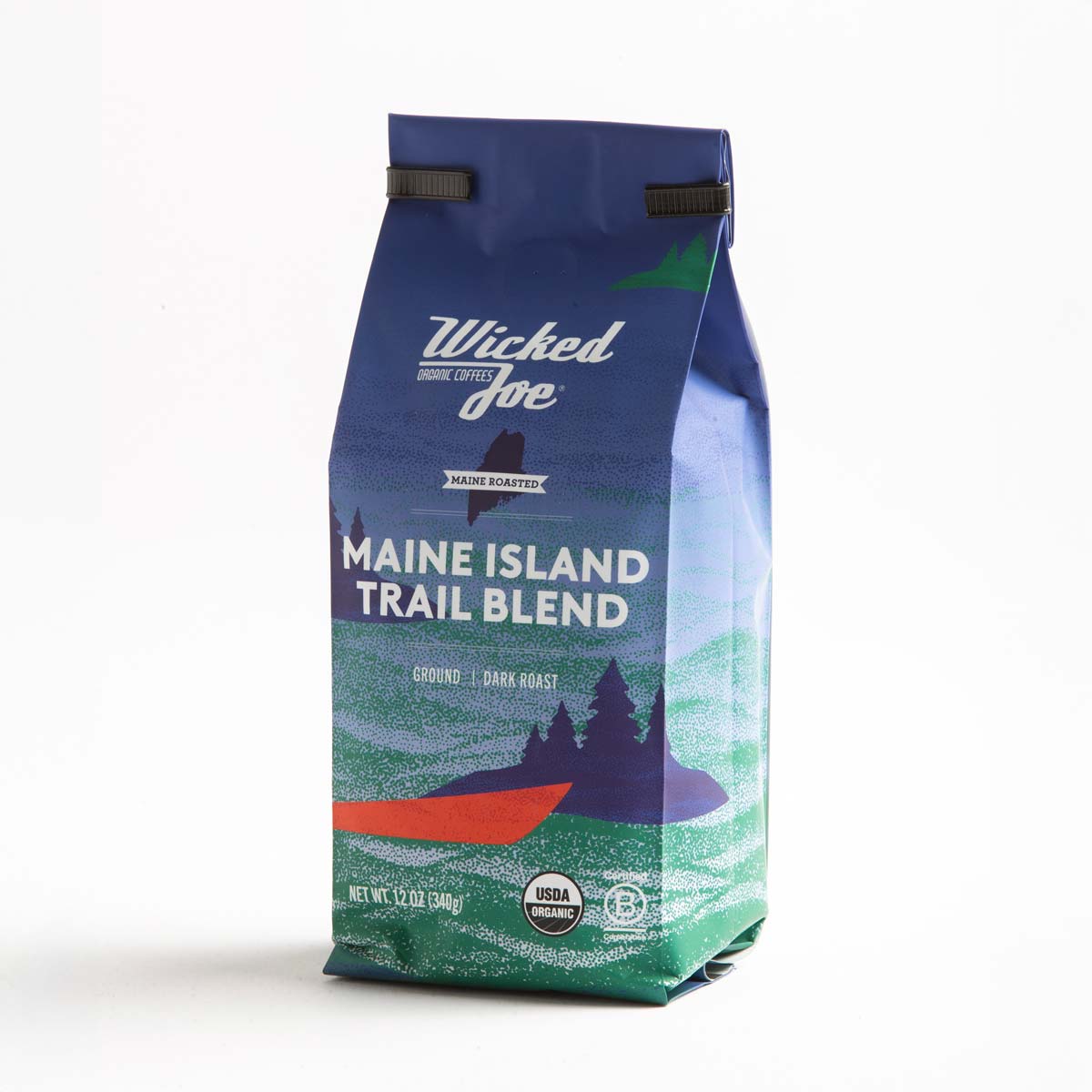
Organic
Organic Coffee Practices within development, production and manufacturing
Organic coffee is grown without the aid of artificial chemical substances, such as certain additives, some pesticides, herbicides and fertilizers - thereby ensuring the health of the soil, ecosystems and workers where they are cultivated. Many factors are considered when undergoing organic coffee certification and the product must meet the following standards:
- The coffee is grown on land that was not exposed to synthetic pesticides or prohibited substances 3 years prior.
- A significant buffer exists between the organic crop and the nearest conventional crop.
- A sustainable crop rotation plan is in place to prevent erosion, the depletion of soil nutrients and to naturally control for pests.
Organic agriculture can strengthen the natural environment's resistance to disease. For example, coffee of this standard is generally shade grown, which promotes forest preservation that allows birds to develop mutually beneficial relationships with coffee farms, enjoying habitats while keeping insect populations under control. Many of our organic farmers have also developed new water processes that keeps the highly organic coffee waste water discharge from running into nearby streams and lakes, contributing to sustainable coffee production and community well-being.
At our roasting facility in Topsham we also take great pride in our Organic Standard Operating Procedures and undergo a rigorous audit yearly to make sure we are a shining example of a USA Organic Certified Manufacturing Facility.

USDA Certified Organic
We are proud of our USDA Certified Organic status - to learn more about the certification, visit the USDA website.